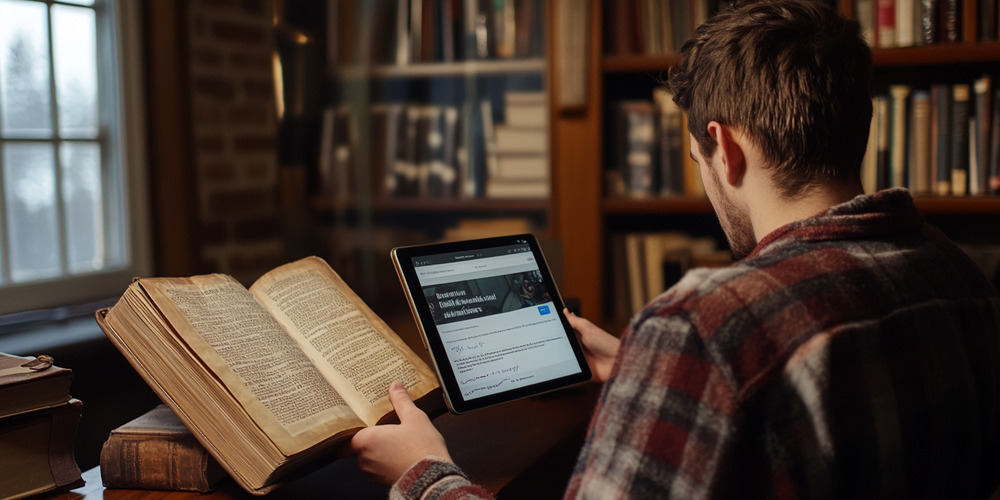
We live in an age where information is more accessible than ever before. With a few taps on a screen, we can access an endless stream of news, opinions, facts, tutorials, and commentary. While This has undeniably revolutionized learning and communication, it has also created a modern dilemma: information overload. The constant barrage of data can leave us overwhelmed, distracted, and ironically, less informed. To navigate this flood effectively, we need to shift from passive consumption to intentional learning—a mindful, focused approach that prioritizes depth over volume.
The Consequences of Too Much Information
Information overload occurs when the volume of input exceeds our brain’s processing capacity. In the short term, this can cause stress, decision fatigue, and mental exhaustion. Over time, it can lead to decreased productivity, a lack of clarity, and an erosion of critical thinking skills. We often skim instead of read, scroll instead of engage, and collect facts without forming understanding. It’s not that we’re not learning—it’s that we’re learning too much, too fast, and with too little intention.
Why Intentional Learning Matters
Intentional learning is a deliberate practice. It involves choosing what to learn, setting clear goals, and actively engaging with content rather than passively consuming it. This approach shifts the focus from absorbing everything to mastering what truly matters. Instead of reacting to whatever content appears on our feeds, we become proactive learners—building knowledge that aligns with our interests, goals, and values.
This kind of learning fosters better retention, deeper understanding, and more practical application. Whether you’re learning a new skill, exploring a topic of interest, or trying to keep up in a fast-paced industry, intentionality helps cut through the noise and bring clarity to your learning journey.
Strategies for Moving Toward Intentional Learning
To escape the trap of information overload, start by creating boundaries. Limit your sources of information to a few trusted channels. Subscribe to newsletters, podcasts, or YouTube channels that align with your learning goals, and consider removing others that distract you. Quality trumps quantity.
Next, set specific learning intentions. Ask yourself: What do I want to understand better? Why does it matter? How will I apply it? These questions can guide you toward more meaningful content and filter out distractions. Scheduling dedicated time for learning—away from the pull of notifications—can also create space for deeper engagement.
It also helps to practice reflection. Take time to review what you’ve learned, synthesize key ideas, and even teach others. These habits reinforce understanding and give purpose to the information you consume. Intentional learners don’t just collect facts—they connect them.
The Role of Technology in Learning Smarter
Ironically, while technology contributes to information overload, it can also help us overcome it. Tools like read-it-later apps, note-taking systems, and learning platforms can help organize your content and revisit it with purpose. AI-driven apps can even recommend learning paths based on your interests and goals. The key is not to let the tools control you, but to use them to stay aligned with your learning priorities.
Mindful consumption of digital content—such as turning off autoplay features or curating your social media feed—can significantly reduce passive scrolling. The more you tailor your digital environment to support learning rather than distraction, the more intentional your habits become.
Reclaiming Control Over What You Learn
In today’s content-saturated world, learning is no longer about finding information—it’s about filtering it. The skill of intentional learning will only become more valuable as the volume of digital content continues to grow. It empowers you to take control of your mental input, prioritize what truly matters, and create a more focused, satisfying, and effective learning experience.
Ultimately, moving from information overload to intentional learning isn’t about doing more—it’s about doing better. It’s a shift from passive intake to active growth. And in a world full of noise, that kind of focus is a superpower.
Refer to these sources for related topics:
https://www.autoviews.com.au/
https://www.cartalks.com.au/
https://www.truepress.com.au/
https://www.primepost.com.au/
https://www.financewire.com.au/
https://www.investorsdesk.com.au/
https://financejournal.com.au
https://digitalechnology.ca/
https://technologyresearch.ca/
https://healthindustry.ca/
https://businessledger.ca/
https://bankingandfinance.ca/
https://businessinvesting.ca/
https://travelandtour.ca/
https://worldtraveltour.us/
https://topeducations.us/
https://betterthisworld.co.uk/
https://avstarnews.co.uk/
https://digitalbeanstalk.com.au/
https://designoutdoorblinds.com.au/
https://piechartscanbepizzas.com.au/
https://heatherhawk.com.au/
https://trellisdesignlab.com.au/
https://pakoasianstore.com.au/
https://solucorplegal.com/
https://christiangayschat.com/
https://masnews.org/
https://Forlicoupon.it/
https://teenladysex.com/
https://limzpoker.com/
https://hfhmjhome.com/
https://donacopoker.org/
https://goodgood.me/
https://invsys.co.uk/
https://nsteam.org/
https://fashiontrendlook.com/
https://bundallecc.com.au/
https://ywitg.com.au/
https://lhospital.org/
https://cupihd.org/
https://ungroundedthinking.com/
https://pokerdiamond.net/
https://arwanapoker.org/
https://fossiloftheday.com/
https://lamentable.org/
https://plateaustategov.org/
https://verlindenswa.com.au/

 Arthur