Dental emergencies can strike without warning, often at the most inconvenient times. A sudden toothache late at night, a chipped tooth during dinner, or swelling that worsens rapidly can all signal urgent oral health issues. These situations are not just painful—they can escalate quickly if left untreated. Immediate access to professional care is essential to prevent complications, preserve teeth, and restore comfort as soon as possible.
What Qualifies as a Dental Emergency?
A dental emergency involves any condition requiring prompt attention to relieve severe pain, control bleeding, or prevent permanent damage. Common examples include knocked-out teeth, abscesses, cracked or broken teeth, lost fillings, and severe gum infections. Even issues that may initially seem minor can worsen rapidly without proper care.
For instance, a dental abscess is not just a localised infection—it can spread to surrounding tissues and even enter the bloodstream if ignored. Similarly, a dislodged tooth has a higher chance of being saved if treated within a short window. Understanding these risks highlights why timely intervention is critical.
Why 24/7 Dental Care Matters
Traditional dental clinics typically operate during standard business hours, but emergencies do not follow schedules. This gap has led to the increasing demand for 24/7 dental services, particularly in busy urban environments where lifestyles are fast-paced and unpredictable.
Round-the-clock availability ensures that patients do not have to endure prolonged pain or risk worsening conditions. Clinics offering fast and effective treatment from an emergency dentist provide reassurance that help is always accessible, regardless of the time or day.
This shift toward continuous care reflects a broader expectation in healthcare—patients want immediate solutions when urgent issues arise, and dental services are evolving to meet this need.
The Role of Advanced Technology in Emergency Dentistry
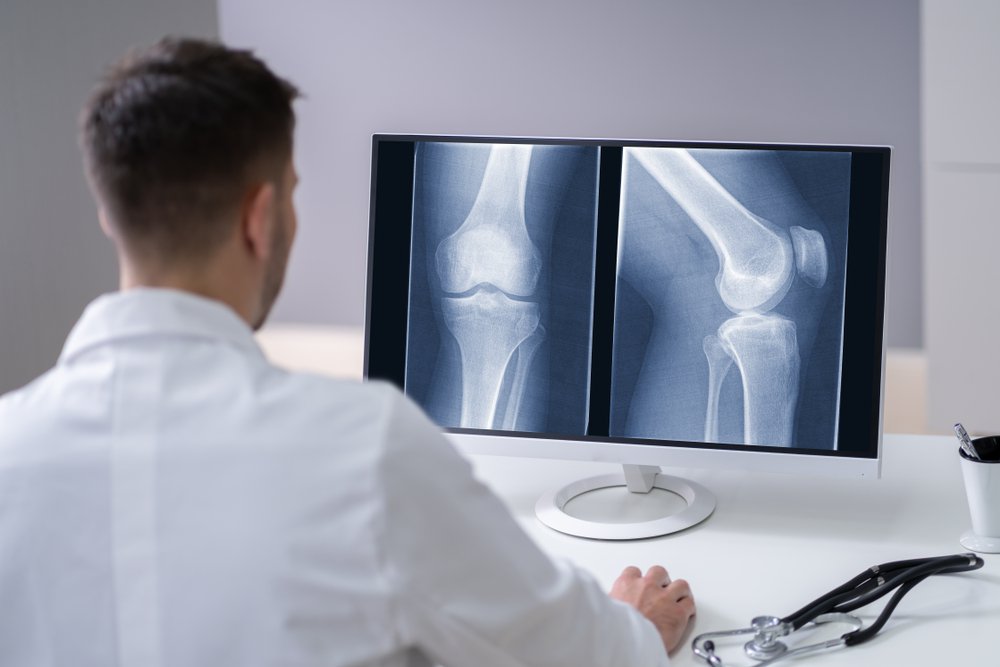
Technological advancements have transformed how dental emergencies are diagnosed and treated. One of the most significant improvements is digital imaging, which allows dentists to quickly assess the extent of damage. High-resolution X-rays and 3D scans provide detailed insights, enabling faster and more accurate decision-making.
Another breakthrough is same-day restorative technology. Using CAD/CAM systems, dentists can design and produce crowns, veneers, or other restorations on-site within hours. This eliminates the need for temporary fixes and multiple visits, which is particularly beneficial in urgent cases.
Laser dentistry is also becoming more common in emergency care. It allows for precise treatment of soft tissues, reduces bleeding, and promotes quicker healing. Combined with modern sterilisation techniques and advanced equipment, these innovations significantly enhance both safety and efficiency.
Managing Pain and Anxiety
Pain management is a central aspect of emergency dental care. Many patients seek help only when discomfort becomes unbearable, making effective relief a top priority. Modern dentistry offers a range of options, from fast-acting local anaesthetics to sedation techniques that help patients remain calm and comfortable during procedures.
Equally important is the emotional aspect of care. Dental emergencies can be stressful, especially for individuals with dental anxiety. Clinics that prioritise patient comfort through clear communication, gentle approaches, and calming environments can make a significant difference in the overall experience.
Accessibility and Rapid Response
Accessibility plays a crucial role in the effectiveness of emergency dental services. Clinics that operate 24/7 are often equipped with streamlined systems to handle urgent cases efficiently. Features such as online booking, emergency hotlines, and teleconsultations enable patients to seek help quickly and receive initial guidance even before arriving at the clinic.
In addition, the strategic placement of emergency dental facilities ensures that more people can access care without long travel times. This is particularly important in densely populated areas, where delays can exacerbate already critical conditions.
Prevention Still Matters
While emergency care is essential, prevention remains the best defence against serious dental issues. Regular check-ups, good oral hygiene, and early treatment of minor problems can significantly reduce the likelihood of emergencies. However, accidents and unexpected complications can still occur, making access to urgent care indispensable.
Dentists often use emergency visits as an opportunity to educate patients about preventive measures. This dual approach—addressing immediate concerns while promoting long-term oral health—helps minimise future risks.
Evolving Expectations in Dental Care
The growing demand for after-hours dental services reflects changing patient expectations. People increasingly value convenience, flexibility, and immediate access to care. As a result, dental clinics are adapting by extending hours, investing in advanced technology, and improving patient-centred services.
This evolution is not just about convenience—it is about ensuring better health outcomes. Timely treatment reduces complications, shortens recovery times, and improves overall patient satisfaction. The concept of urgent care available when it is truly needed underscores the importance of aligning dental services with real-world demands, ensuring that no patient has to wait when facing a critical oral health issue.